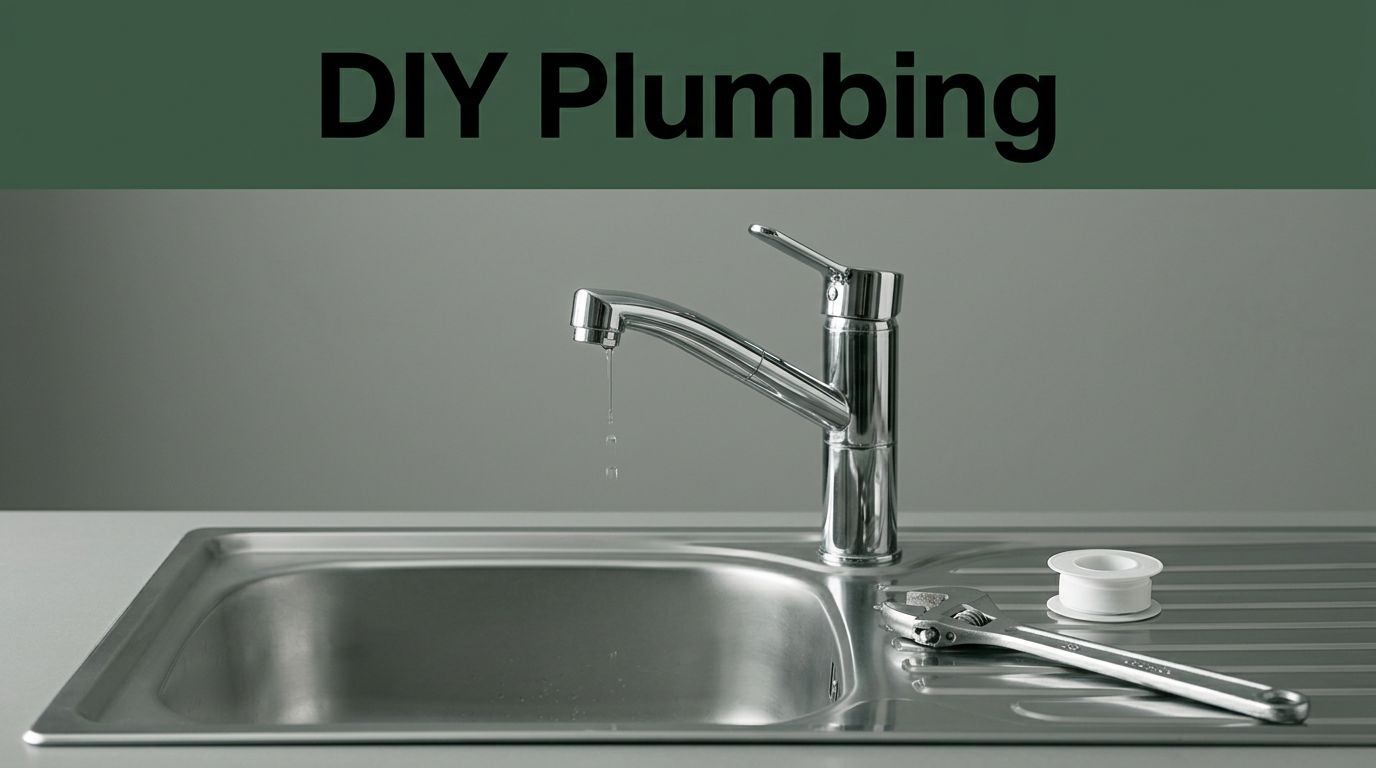
A slow drip can seem harmless, right up until your water bill jumps or a cabinet floor starts to swell. Small plumbing issues often stay quiet at first, but they can waste water, raise costs, and leave behind expensive damage.
The good news is that many common plumbing problems have simple first steps. If you’re dealing with a slow drain, a dripping faucet, a running toilet, or a small leak under the sink, you may be able to handle it safely with basic tools and a little patience.
This guide keeps things beginner-friendly. It also points out the warning signs that mean it’s time to stop the DIY fix and call a plumber.
Start with the plumbing problems homeowners deal with most
Most household plumbing issues come down to buildup, loose connections, or worn rubber parts. Current US reporting going into 2026 shows that leaks, clogs, aging pipes, and water heater trouble still top the list, and many homeowners deal with some form of plumbing issue every year.
That sounds frustrating, but it also means these problems are familiar. In many cases, the first fix is simple, low-cost, and safe if you move slowly and shut off the water when needed.
Slow drains, what causes them and the easiest fix to try first
A slow drain usually means partial blockage, not a full stoppage. In bathrooms, hair and soap scum are the usual suspects. In kitchens, grease, food bits, and starchy residue often cling to pipe walls and shrink the path water needs.
If you want a closer look at what causes slow-draining sinks, the pattern is usually buildup over time, not one dramatic event.
Start with the easiest fix. Remove visible debris from the drain opening or stopper. In a bathroom sink, pull the stopper and clean off trapped hair. Then use a cup plunger with enough water to cover the rubber edge and give it a few firm pushes.
For kitchen sinks, hot water can help loosen grease. Add a little dish soap first, then flush with hot tap water, not boiling water if you have plastic pipes. If the sink has a garbage disposal, make sure it’s off before you put your hands anywhere near the opening.

Skip chemical drain cleaners if you don’t know what’s in the pipe. They can sit in standing water, damage some plumbing, and make later repairs harder.
If more than one drain is slow at the same time, the clog may be deeper in the system.
Dripping faucets can waste more water than most people think
A faucet that drips once per second can waste about 3,000 gallons of water a year. That’s not a small annoyance. It’s a slow leak with a loud habit.
In many homes, the cause is a worn washer, O-ring, or cartridge. These are small parts, but they control the seal inside the faucet. When they wear down, water slips through even when the handle is off.
First, turn off the shutoff valves under the sink. Next, plug the drain so you don’t lose screws. Remove the faucet handle, take out the worn part, and match it at the hardware store. Then reassemble the faucet and test it.
This kind of repair is common because the part itself is cheap. If you want another homeowner-friendly overview of common plumbing problems and how to fix them, leaking fixtures are almost always near the top of the list.
If the faucet body is cracked, badly corroded, or stuck in place, stop there. Forcing old parts can turn a drip into a bigger leak fast.
Simple toilet and under-sink fixes you may be able to handle yourself
Toilet problems and sink leaks feel more urgent because the water is right in front of you. Still, these are often the most affordable repairs in the house. A towel, a bucket, pliers, and a replacement part may be all you need.
Before you touch anything, turn off the water supply. For toilets, the shutoff valve is usually near the wall behind the bowl. For sinks, it’s inside the cabinet below.
A running toilet usually comes down to one worn part
If your toilet keeps refilling or makes a soft hissing sound long after a flush, the flapper is the first thing to check. This rubber seal lifts when you flush and drops back down to hold water in the tank. Once it warps or hardens, water leaks into the bowl and the toilet keeps running.
That matters because a running toilet can waste up to 200 gallons a day. One cheap part can have a big effect on your water bill.
Take the tank lid off and flush once. Watch the flapper. If it doesn’t seal fully, or if the chain is tangled or too tight, you’ve likely found the problem. A replacement flapper kit is inexpensive and widely available, and this step-by-step guide on how to replace a toilet flapper shows the basic process clearly.
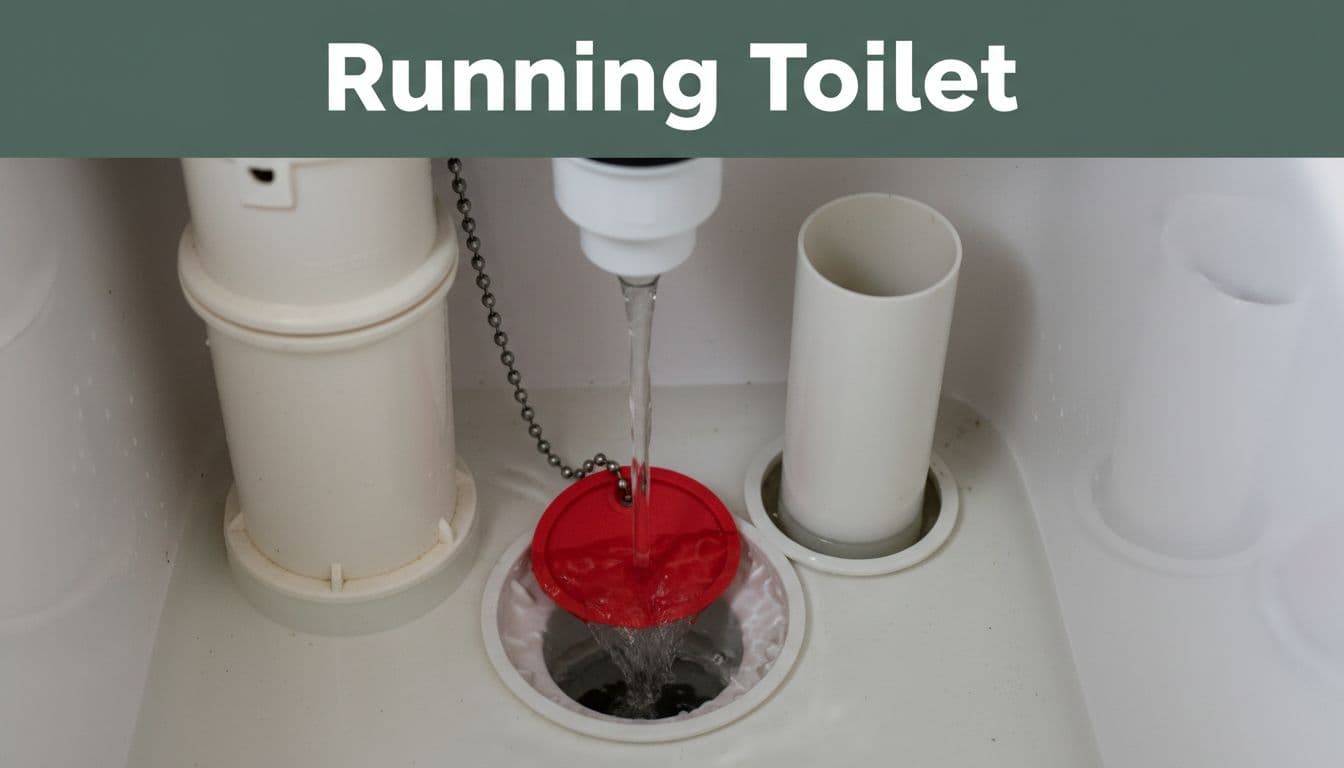
While you’re there, check the chain length and the fill level. Sometimes the fix is as simple as adjusting the chain so the flapper can close all the way.
Leaks under the sink often start at a loose connection
An under-sink leak often looks worse than it is. Water may collect at a supply line nut, around the P-trap, or where the drain connection meets the sink.
Start by drying everything well. Then place a paper towel around each connection and run the faucet for a minute. The first wet spot usually reveals the source. If a connection nut is loose, tighten it gently by hand first, then give it a small extra turn with pliers if needed.
Go slowly. Overtightening can crack plastic parts or warp washers.
If tightening doesn’t work, the washer or seal may be worn out. If you see rust, corrosion, split tubing, or a cracked trap, the part likely needs replacement. Also pay attention to the cabinet itself. Soft wood, stains, or a musty smell suggest the leak has been there longer than you thought.
Prevent clogs, buildup, and water damage before they get worse
Plumbing problems rarely appear out of nowhere. Most build up layer by layer, like plaque inside an artery. That’s especially true in homes with hard water, which affects a large share of US households and leaves mineral scale inside fixtures, pipes, and water heaters.
A few steady habits can keep small issues from turning into weekend emergencies.
What not to put down your drains if you want to avoid clogs
Kitchen drains aren’t trash cans, and toilets aren’t either. Grease is one of the biggest offenders because it cools, sticks, and traps other debris. Food scraps, coffee grounds, rice, pasta, eggshells, hair, wipes, and anything labeled “flushable” can also cause trouble.
Use drain screens in sinks and tubs. Pour grease into a container, let it cool, and throw it away. In the kitchen, run hot water after washing greasy dishes to help move residue along, but don’t treat that as a cure-all.
For more real-life examples, these common kitchen habits plumbers say are ruining your pipes show how everyday routines can wear your plumbing down over time.
Bathroom habits matter too. Even a little hair, day after day, can build a stubborn clog. A cheap drain screen often prevents a much messier job later.
How regular checks can help you catch leaks and scale buildup early
A quick plumbing check once a month can save a lot of money. Look under sinks for damp spots. Watch how fast tubs and sinks drain. Notice any white crust around faucets or showerheads, because that’s often scale from hard water.
Low water pressure at one faucet may mean that fixture needs cleaning. Low pressure across the whole house may point to a larger issue. Also listen for your toilet refilling when nobody has flushed.
Water heaters need attention too. Mineral sediment settles at the bottom of the tank over time, which can lead to popping sounds, lower efficiency, and earlier failure. An annual flush can help reduce buildup if it’s done safely. If the heater is older, leaking, or making loud noises, bring in a plumber instead of guessing.
Know when a plumbing problem needs a professional
DIY repairs are useful, but there is a line. Once a problem points to hidden damage, a main drain issue, or a pipe failure, home fixes can waste time and make cleanup worse.
Repeated backups, gurgling drains, water stains on walls, sewage smells, or low pressure throughout the house all deserve quick attention. Tree roots are also a common cause of sewer line trouble, and that usually takes a plumber with camera equipment to confirm and repair.
Red flags that mean DIY is no longer the safe choice
Some warning signs should stop the DIY attempt right away:
- Multiple drains clog at once, which can mean a main line blockage
- Sewage smells indoors or near drains
- Burst pipes or fast-moving leaks
- No hot water when the heater should be working
- Leaks that keep coming back after tightening or part replacement
- Brown stains or soft drywall, which may signal a hidden leak
If you want a plain-language reference for signs you need an emergency plumber now, those situations are a good starting point.
Act quickly when you see these signs. Water damage spreads fast, and waiting often costs more than the repair itself.
A dripping faucet, a slow drain, or a running toilet might look minor, but small plumbing problems have a way of growing teeth. The strongest takeaway is simple: act early.
Start with the safe fixes, like clearing visible buildup, replacing a worn flapper, or tightening a loose connection. If the problem spreads, keeps returning, or points to a hidden line issue, call a pro before a small leak turns into major damage.
Take a look under your sinks and around your toilets today. A five-minute check now can save you a soaked cabinet, a higher bill, and a much worse repair later.