A plumbing problem can feel like your house is speaking a language you never learned. Yet a little plumbing knowledge goes a long way, whether you own, rent, or are buying your first place.
Every home plumbing system has two main jobs, bringing clean water in and sending wastewater out. Once you understand that simple idea, the rest starts to make sense.
This guide keeps things plain and practical. You’ll get simple terms, real-life examples, and clear safety notes, so you can spot small issues early, avoid water damage, save money, and know when a repair has moved past DIY.
Start with the basics, the parts of a home plumbing system
Think of your plumbing like two separate road systems that share the same house. One delivers fresh water under pressure. The other carries used water away with gravity and airflow.
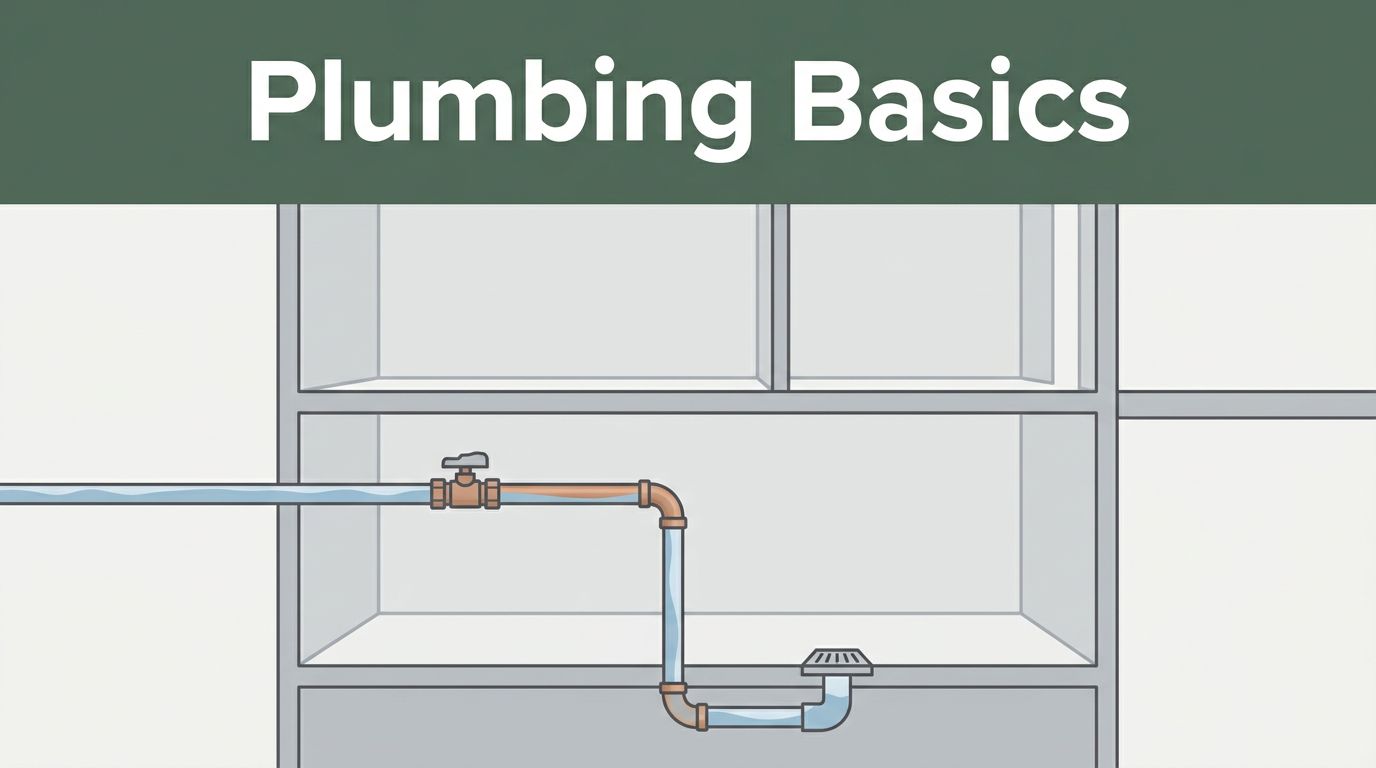
The main water line brings water into the home from a city connection or a private well. Near that entry point, you’ll usually find the main shut-off valve. That valve matters because it can stop water to the whole house in an emergency. From there, supply pipes branch out to sinks, showers, toilets, appliances, and the water heater. Drain pipes collect used water, traps hold a bit of water to block sewer gas, vent pipes balance air in the system, and the sewer line takes waste to a city sewer or septic tank.
If you learn best with visuals, these helpful homeowner plumbing diagrams can make the layout easier to picture.

The supply side brings clean water where you need it
Fresh water enters through the main line and moves through smaller supply pipes. Cold water goes straight to fixtures. Hot water usually takes a detour through the water heater first, then heads to faucets, showers, dishwashers, and washing machines.
Because the incoming water is pressurized, it can travel up to a second floor and across long pipe runs. That’s why you can turn on a shower upstairs and still get a steady stream.
You’ll also hear a few pipe material names. Copper is the metal pipe common in older and newer homes. PVC is a rigid plastic often used in drains. PEX is a flexible plastic pipe now common for water supply lines. You don’t need to be an expert on materials yet. It helps to know the names so you can recognize what you’re looking at under a sink or in a basement.
The drain, waste, and vent side carries dirty water out safely
The drain side works in a totally different way. It doesn’t rely on pressure. Instead, it uses wider pipes, downward slope, and air moving through vent pipes.
When water leaves a sink or shower, it passes through a curved pipe called a P-trap. That bend holds a small amount of water. It may seem odd, but that water acts like a seal. It blocks sewer gas from drifting back into your home.
Vent pipes, which often run up through the roof, help drains work smoothly. They let air into the system, so wastewater can move without gurgling or getting stuck. Finally, used water travels through the main drain and out through the sewer line to a public sewer or a septic system.
Follow the flow, what happens when you turn on a faucet or flush a toilet
Once you know the parts, everyday plumbing feels less mysterious. A bathroom sink or toilet is simply a meeting point between the supply side and the drain side.
How water pressure moves water to sinks, showers, and appliances
Turn on a faucet, and a valve inside the fixture opens. Pressurized water rushes through the supply pipe and out the spout. If you choose warm water, the faucet blends hot water from the heater with cold water from the main supply.
The same idea works all over the house. Toilets refill from the supply line after each flush. Dishwashers and washing machines pull in pressurized water when a cycle starts. Showers mix hot and cold water before it reaches the showerhead.
That pressure is why water can move where gravity alone never could. It climbs walls, crosses ceilings, and reaches upstairs bathrooms without much drama. When pressure drops in one spot, the cause might be local, like a clogged aerator, or system-wide, like a valve problem.
Why drains need slope, traps, and vents to work right
Drains are more like slides than hoses. Water has to move downhill, even if the slope is slight. If a drain pipe is too flat, waste can stall. If it’s too steep, water may outrun solid matter and leave buildup behind.
A slow drain often points to a blockage, but not always. Poor venting can also make drains sluggish. Imagine trying to pour juice from a container that keeps glugging because air can’t move well. Drains act the same way.
For a simple homeowner-friendly explanation, this common plumbing problems guide connects these parts to symptoms you may see at home.
The plumbing problems beginners are most likely to notice first
Most plumbing issues don’t announce themselves with a flood. They start with small hints, a drip, a smell, a weak shower, or a toilet that won’t stop running. Catching those signs early often saves the most money.

Small issues you may be able to handle yourself
Some beginner-safe fixes are worth learning because they’re low-risk and common:
- Loose sink connection: Tighten a slip nut under the sink if it’s dripping at a joint. Hand-tight is often enough.
- Clogged sink trap: Place a bucket below the trap, remove it, and clean out hair or sludge.
- Minor toilet issue: A worn flapper can make a toilet run nonstop, and replacing one is usually simple.
- Simple clog: Use a plunger first. It often works better than people expect.
- Sewer smell from a little-used drain: Run water into the drain to refill a dry trap.
Before any small repair, turn off the water to that fixture if you can. Also, go easy on chemical drain cleaners. They can damage pipes, create safety risks, and make later repairs messier.
Low water pressure at one faucet may be nothing more than a dirty aerator. Meanwhile, a drip under a sink may come from an old washer or a supply connection. These are small fixes, but they still deserve care.
Red flags that mean it is time to call a plumber
Some signs call for fast action. Burst pipes, major leaks, sewage backup, repeated clogs, no hot water, and low pressure throughout the whole house are not beginner jobs. The same goes for hidden leak signs, such as stains on walls, warped flooring, or a water bill that suddenly jumps.
If water is pouring from a broken pipe, shut off the main water valve first. Then start cleanup and call a plumber.
Problems tied to the main sewer line or vent system also need professional help. Those repairs can affect the whole house, and mistakes can turn a bad day into a costly one.
Simple plumbing maintenance that helps prevent bigger repairs
Good plumbing care isn’t fancy. It’s mostly small checks, done at the right time, before damage spreads. In March 2026, that prevention-first mindset is one of the biggest home maintenance trends, and for good reason.

Easy monthly and seasonal checks every homeowner should know
Look under sinks for fresh drips or stains once a month. Check around the base of toilets and near the water heater for moisture. Test shut-off valves now and then, because a valve that won’t turn when you need it is no help.
A few habits make a big difference:
- Watch for toilet leaks: If the toilet runs after flushing, fix it early.
- Clean strainers: Hair and food scraps cause many clogs.
- Keep traps wet: Pour water into drains you rarely use.
- Check supply lines: Older plastic lines can fail, while braided stainless-steel lines are more durable.
- Protect against freezing: In colder parts of the US, insulate exposed pipes in garages, crawl spaces, and attics.
A yearly water heater flush can also help reduce sediment buildup. If you want a homeowner-friendly refresher, this routine plumbing maintenance guide lines up well with current advice.
Smart upgrades and water-saving features worth knowing in 2026
Not every upgrade is a must, but some are worth knowing about. In 2026, leak detectors with auto-shutoff are becoming popular because they can spot water near sinks, toilets, and heaters before damage spreads. That’s peace of mind you can feel.
Low-flow showerheads and high-efficiency toilets also stand out because they cut water waste without making daily use feel weak. Touchless faucets can reduce accidental run time. Better hot water pipe insulation helps you waste less water while waiting for warmth. In homes with hard water or taste issues, a softener or filtration system may also make sense.
Safety matters here too. Anti-scald or tempering protection can help keep shower water from turning suddenly too hot. For homeowners thinking ahead, these 2026 water stewardship trends show why smart leak prevention and efficient fixtures are getting more attention.
You don’t need to know every pipe behind the wall to feel more at home with your plumbing. The big idea is simple, know what brings water in, know what sends waste out, and pay attention when something changes.
That small bit of knowledge can help you act sooner, stay safer, and avoid bigger bills later. Start with your shut-off valve, look under your sinks, and learn the normal sounds and signs in your home.
When a problem shows up, you’ll be calmer and more prepared. That’s the real value of understanding your home plumbing system.