
A loose cabinet pull or a dripping trap can waste time fast. With the right homeowner tools nearby, small problems stay small.
That matters whether you just bought your first place or you’ve owned a house for years. A smart kit saves money, cuts stress, and helps you handle quick fixes without waiting on a store run.
You don’t need a full workshop. Start with strong hand tools, add one or two power tools, keep safety gear close, and store it all where you can grab it fast.
Start with the hand tools you will reach for most
Most home repairs begin with a simple tool, not a loud machine. These are the basics you’ll use for shelves, door hardware, furniture assembly, shutoff valves, and plenty of odd jobs in between.
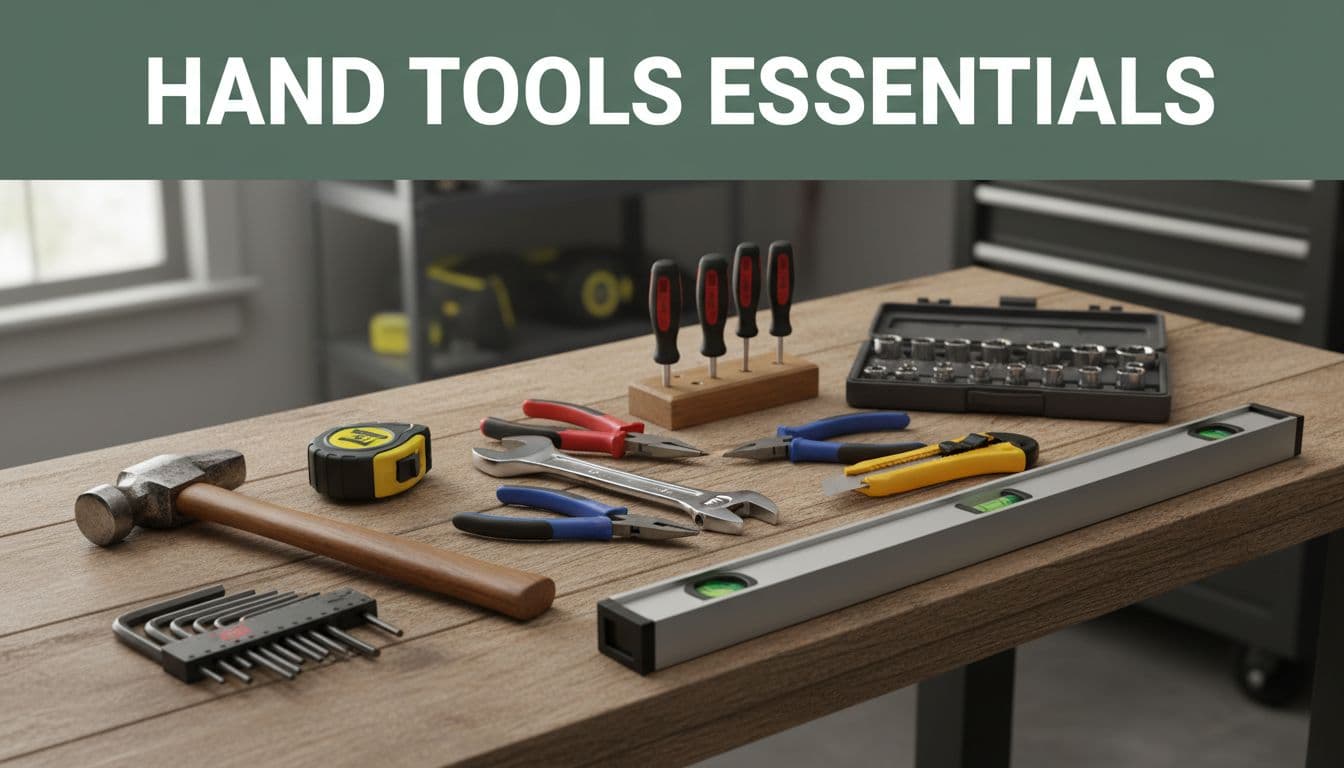
A solid hammer, tape measure, and level make simple jobs easier
A claw hammer earns its spot right away. You can drive nails, pull old ones, tap parts into place, and handle light demo without much fuss.
Next, buy a tape measure that locks well and reads clearly. It helps with room layouts, curtain rods, shelves, and furniture spacing. Pair it with a small level, and crooked wall art stops being part of the plan.
Many homeowners now add a laser distance measurer too. In March 2026, it remains one of the handiest upgrades for fast room and wall measurements. If you want a practical starter list, this smart home tool kit guide shows how these basics fit into daily repairs.
Screwdrivers, pliers, and an adjustable wrench cover everyday repairs
A good screwdriver set handles more work than most people expect. You’ll tighten door hinges, swap batteries, fix outlet covers, and assemble furniture without fighting stripped screws. Multi-bit drivers save space, so they’re a smart pick for smaller homes.
Pliers come next. Slip-joint pliers grip and twist. Needle-nose pliers reach into tight spaces. Locking pliers hold stubborn parts when your hands can’t. Then add one adjustable wrench for plumbing fittings, appliance legs, and loose nuts around the house.
This group works like a pocket-sized crew. Each tool does a different job, but together they solve most small repair headaches.
A utility knife, hex keys, and a socket set fill the gaps
These tools don’t get much attention until you need them. Then they feel like the missing puzzle piece.
A utility knife opens boxes, trims caulk, scores drywall, and cuts carpet or packaging cleanly. Hex keys, also called Allen wrenches, tighten the bolts found on bikes, grills, chairs, and flat-pack furniture. A basic socket set helps with bolts that screwdrivers and pliers can’t handle well.
If you’re buying a ready-made starter kit, compare a few tested home tool sets before you choose. The best ones skip filler and focus on tools you’ll reach for again and again.
Add a few power tools that give you the biggest return
You don’t need every saw and sander on the hardware aisle. Most homeowners get the best value from a short list of dependable power tools that drill, cut, sand, and handle light repair work.
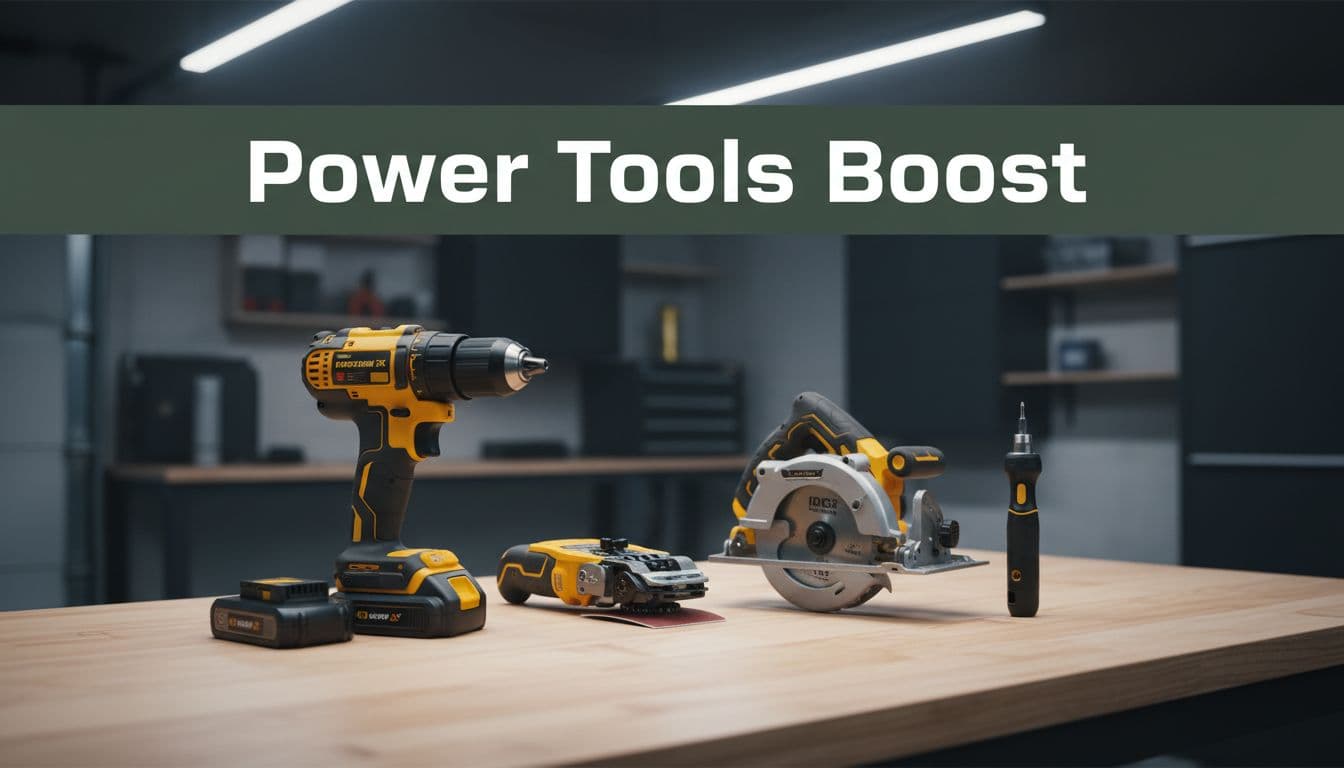
A cordless drill and driver is the first power tool to buy
If you buy only one power tool, make it a cordless drill-driver. It drills pilot holes, drives screws, mounts curtain rods, assembles furniture, and handles basic projects without much setup.
A 12V model suits lighter work, while an 18V or 20V tool gives you more strength for bigger jobs. Also pay attention to the battery platform. When batteries fit other tools in the same line, you can grow your kit without starting over.
That’s one reason cordless systems stay popular in 2026. Performance keeps getting better, and the best models balance power with comfort. If you want current picks, these cordless drill tests from Popular Mechanics are a useful benchmark.
An oscillating multitool handles tricky cuts and small repair jobs
Some tools feel made for awkward house problems. The oscillating multitool is one of them.
It cuts drywall for outlet work, trims wood in tight spots, scrapes old caulk, sands corners, and makes short repair cuts where a larger saw feels clumsy. That’s why it keeps showing up on current homeowner lists.
For many people, this tool becomes the surprise favorite. It won’t replace every saw, but it handles the kind of fussy work that shows up in real homes. Recent oscillating multi-tool reviews also show how much these tools have improved, especially cordless versions.
A circular saw or rotary tool can be your next step, depending on your projects
Your next buy depends on the jobs you plan to do. A cordless circular saw makes sense if you cut lumber, trim boards, or break down plywood for shelves and storage projects.
A rotary tool kit fits a different kind of work. It’s better for sanding, grinding, sharpening, polishing, and detail cuts. Think of it as the tool for small, precise tasks rather than big straight cuts.
If you build garden beds or garage shelving, go with the circular saw. If you fix metal, polish hardware, or tweak small parts, the rotary tool will earn its keep faster.
Do not forget the safety gear and home maintenance extras
A good homeowner tool kit isn’t only about fixing things. It’s also about working safely and catching trouble before it turns into a big repair bill.

Safety glasses, gloves, and hearing protection should come first
Small jobs can still hurt you. A flying wood chip, metal burr, or splash from under the sink only takes a second.
Keep safety glasses in the same place as your drill and hand tools. Add work gloves for rough lumber, sharp edges, and dirty cleanups. Hearing protection matters when you’re using saws, shop vacs, or loud outdoor gear. Dust masks also help during sanding, sweeping, attic work, and vent cleaning.
If you need a quick refresher on what belongs in a basic kit, this DIY safety gear list is a helpful place to start.
A five-minute repair isn’t worth an eye injury.
A stud finder, flashlight, and step stool help you work smarter
A stud finder keeps you from anchoring heavy items into weak drywall. That matters for shelves, mirrors, TV mounts, and wall cabinets.
A bright flashlight is just as useful. You’ll need it during outages, under-sink repairs, crawlspace checks, and late-night leaks. Choose an LED model with a strong beam and keep fresh batteries nearby.
Then add a sturdy step stool. It beats standing on a chair every time. Reaching smoke alarms, top shelves, and air filters gets safer, faster, and much less shaky.
A few maintenance tools can prevent expensive problems later
Some tools don’t fix a problem after it starts. They help stop it in the first place.
Keep a plunger and a small drain snake in the house. They can clear simple clogs before water backs up. A dryer vent cleaner kit helps remove lint that lowers dryer performance and raises fire risk. If your property uses an outdoor water meter or curb shutoff, a shutoff key may also belong in your kit.
A few simple add-ons make sense in 2026 as well. Many homeowners now install smart thermostats and motion-sensor lights on their own because the setup is easier than it used to be. They aren’t core tools, but they are practical upgrades that pair well with a basic tool kit.
Choose better tools, store them well, and build your kit over time
Buying tools can feel like filling a closet in one weekend. That’s rarely the best move. A better plan is to buy what matches your home, your skill level, and the repairs you actually do.
What to look for when buying homeowner tools
Start with comfort and build quality. A tool that feels awkward in your hand won’t get used much, even if it looked like a bargain on the shelf.
Spend more on the tools you’ll use often, such as a hammer, tape measure, pliers, and drill. Check the warranty, the grip, the moving parts, and, for power tools, battery fit across the same lineup. Cheap tools have a place, but not for jobs you repeat all year.
How to organize your tools so they are easy to find when you need them
A small toolbox or tool bag works well for everyday items. Then use drawers, a shelf, or a pegboard for bigger tools and backup supplies.
Keep the most-used tools together, and store batteries, blades, fasteners, and safety gear in a dry, easy-to-see spot. Good storage saves more time than most people think. If you want ideas for layout and access, these tool storage systems show why simple organization beats stuffing everything into one bin.
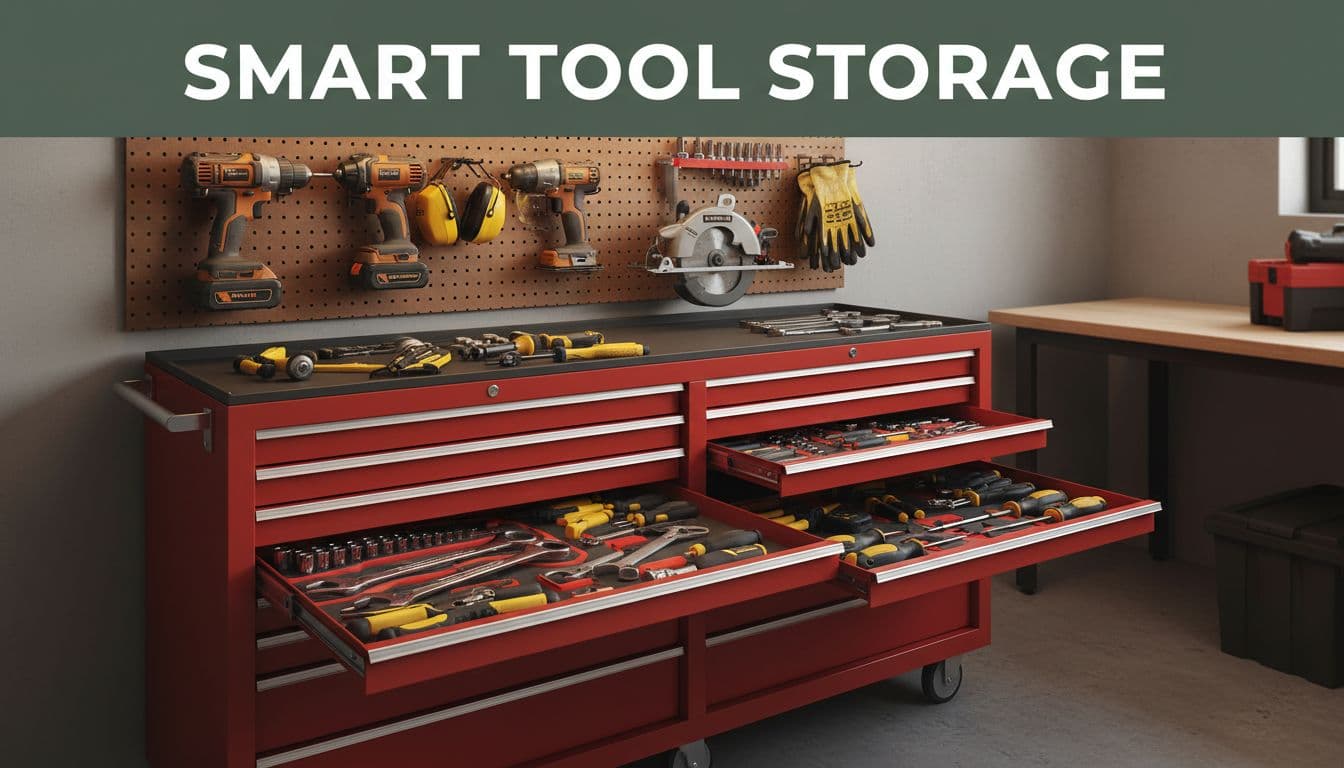
You don’t need a giant workshop to feel ready at home. A strong starter kit, a cordless drill, a few smart extras, and basic safety gear will cover a huge share of common repairs.
The real win is confidence. When the next loose hinge, clogged drain, or crooked shelf shows up, you’ll have the tools, and you’ll know where to find them.
Build your kit one good tool at a time. That’s how a house stops feeling like a source of surprises and starts feeling manageable.