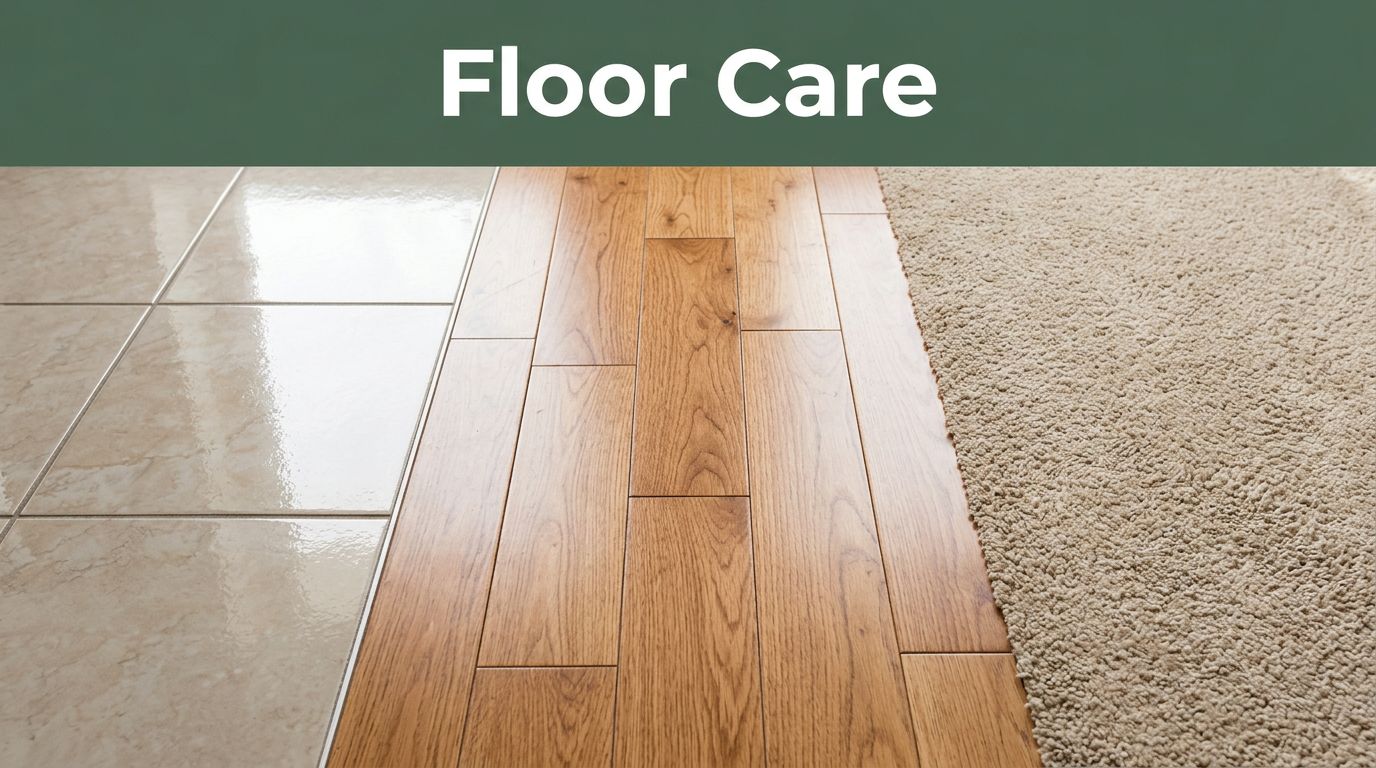
Floors take more abuse than almost anything else in your home. They catch dirt, hold spills, and show wear fast, which means good floor care saves money as much as it saves looks.
The trick is simple, but not one-size-fits-all. Tile, wood, and carpet each need a different routine, and the best plan is the one you can stick with week after week.
Start with simple habits that protect any type of floor
Dirt may look harmless, but it acts like sandpaper under shoes and chair legs. Over time, that grit dulls tile, scratches wood, and grinds deep into carpet fibers. So, before you think about special cleaners, start with prevention.
Use mats, rugs, and furniture pads to prevent damage before it starts
Put sturdy mats at every outside door, then shake them out often. Add runners in hallways and other high-traffic spots, because those areas wear down first. Under chairs, tables, and sofas, felt pads help stop scratches, dents, and scuffs.
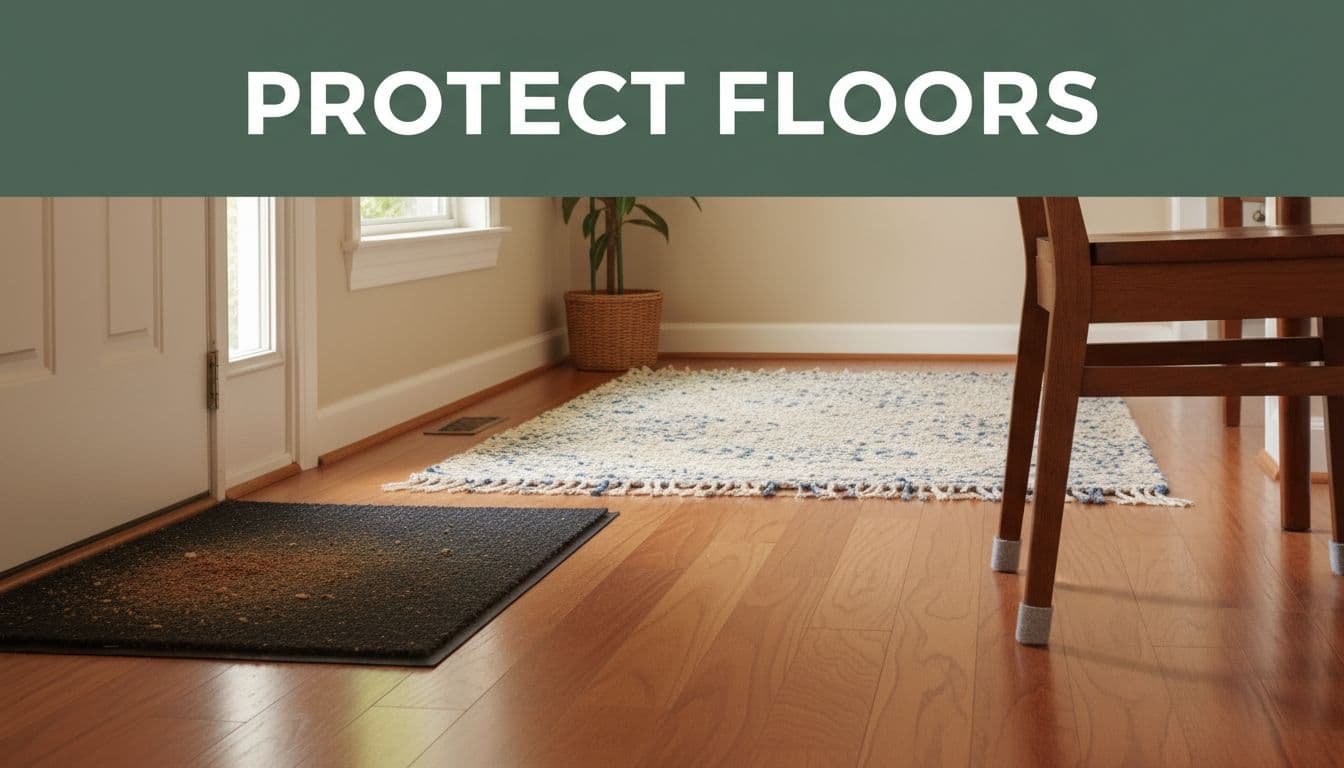
Prevention is cheaper than repair. A $20 mat can save a wood finish. A few pads can stop a chair from carving grooves into tile grout lines or carpet pile.
Match your cleaning routine to foot traffic and daily messes
Busy homes need a faster cleaning rhythm. If you have kids, pets, or people wearing shoes indoors, sweep or vacuum more often than you think you should.
Focus on entryways, kitchens, hallways, and living rooms first. A light daily pass and a deeper weekly clean usually beat a big weekend rescue. Spills also need quick action, because the longer they sit, the harder they are to remove.
How to maintain tile floors without dulling the finish
Tile is durable, but it still needs the right care. Ceramic and porcelain hold up well in busy homes, especially in kitchens and baths. In 2026, matte tile remains popular in the US, partly because it hides dust, footprints, and small marks better than glossy surfaces.
Sweep often, then damp mop with a pH-neutral cleaner
Sweep or vacuum hard floors several times a week. In busy areas, daily is better. Once grit builds up, every step drags it across the surface.
Then damp mop about once a week with warm water and a pH-neutral cleaner. Change the water when it turns cloudy, or you’ll spread grime back across the floor. If you want a closer look at what causes sticky or dull tile, this expert tile cleaning advice is a helpful reference.
Keep grout clean and sealed so stains do not set in
Grout usually needs more attention than the tile itself. Spot clean dark lines with a soft brush and a baking soda paste, then rinse with a lightly damp cloth. Skip rough scrubbers, because they can wear grout down.
Seal grout every 6 to 12 months in splash-prone or high-traffic areas. That extra step helps block stains and moisture, especially around sinks, tubs, and kitchen prep zones.
How to care for wood floors and avoid scratches, warping, and residue
Wood floors reward gentle care and punish too much water. That applies to solid hardwood and most engineered wood alike. Since finishes vary, always check the maker’s instructions first, especially with newer matte and satin finishes that are common in current US homes.
Dust and vacuum often, then use only a lightly damp mop
Dust mop busy zones daily if you can. Vacuum a couple of times a week with a hard-floor attachment, not a beater bar, which can scratch the finish.
For damp cleaning, use very little liquid. Your mop should feel barely damp, not wet. Afterward, dry the area with a clean microfiber cloth. For more detail, see this guide on cleaning hardwood floors safely.
Wood floors like low moisture and fast cleanup. Treat water like a guest, not a roommate.
Avoid too much water, steam, and harsh cleaners on wood
A soaking wet mop can push water into seams and edges. Steam cleaners can weaken some finishes and lead to swelling over time. Oil soaps may leave a cloudy film, while rough brushes can scratch the surface.
Wipe up spills right away, especially pet accidents and dropped drinks. Letting moisture sit on wood is like leaving ice on a windshield, the damage spreads quietly before you notice it.
How to keep carpet fresh, soft, and free of deep dirt
Carpet can fool you. It may look clean on top while holding dust, grit, and odors below the surface. That’s why regular care matters so much, especially in homes with pets, kids, or allergy concerns.
Vacuum high-traffic areas more often than the rest of the room
Vacuum busy paths daily if needed, and clean full carpeted rooms at least twice a week. Strong suction helps, but the brush setting matters too. If it’s too aggressive, it can fray delicate fibers. If it’s too low, it won’t lift much dirt.
Now and then, a carpet rake can help lift flattened fibers and loosen trapped debris. The Carpet and Rug Institute’s cleaning guidance is also useful if you want help matching tools and products to your carpet type.
Treat spills fast and do not soak the carpet
Blot spills with a clean cloth. Don’t rub, because rubbing pushes stains deeper and roughs up the fibers. Use a small amount of cleaner first, then blot again.
Too much liquid can leave smells behind and may even damage the backing. If you’ve ever cleaned a stain only to watch it come back, over-wetting is often the reason. Plan a deep clean every 6 to 12 months, or sooner in pet-heavy homes.
Floor care mistakes that shorten the life of tile, wood, and carpet
The biggest mistake is using the wrong cleaner for the wrong surface. Bleach or ammonia can be too harsh for tile and grout. Steam is risky on wood. Heavy soap can leave carpet stiff and sticky. Before using a new product, test it in a hidden spot.
Using the wrong cleaner can do more harm than the dirt
Choose surface-safe products and simple tools. Soft microfiber, gentle brushes, and low moisture solve more problems than harsh chemicals do.
Skipping routine care leads to harder cleaning later
When you wait too long, dust turns into grime and spills turn into stains. Small weekly habits keep mess from becoming damage, and that’s the real secret to floors that last.
Clean floors don’t come from perfect habits. They come from consistent care that fits the material under your feet.
Start small this week. Add mats, wipe spills faster, and use the gentlest cleaner that gets the job done.