That musty smell in a closet or a foggy bathroom window isn’t random. It’s often your house telling you that moisture is sticking around too long.
Mold is mostly a water problem, not a cleaning problem. If dampness keeps returning, it can stain walls, warp wood, ruin storage boxes, and make indoor air feel stale. The good news is that prevention is usually simple once you know where moisture comes from.
Find the moisture source before mold has a chance to grow
Mold needs one thing more than anything else: water. When surfaces stay wet, mold can start growing within 24 to 48 hours. That means prevention starts long before you see black spots on a wall.
The main causes are usually easy to name. A slow plumbing leak, high indoor humidity, poor bathroom ventilation, condensation on cold surfaces, or water pooling near the foundation can all create the same result. According to EPA’s mold and moisture guide, controlling moisture is the key step, not simply scrubbing what shows up later.
Watch for the early signs of dampness inside the house
Small warning signs often show up first. You may notice peeling paint, a yellow-brown water stain, soft drywall, or damp patches under a sink. Sometimes the first clue is smell alone. A room that smells like wet cardboard usually has a moisture issue nearby.
Condensation matters too. If windows stay wet for hours, the air is likely too humid or the room lacks airflow. Catching these clues early can stop a minor issue from turning into damaged walls or moldy insulation.
Check the outside of your home too
Indoor dampness often starts outdoors. Gutters clogged with leaves can overflow next to the house. Downspouts that dump water near the foundation can soak basement walls. A damaged roof, blocked window well, or soil that slopes toward the house can do the same thing.
Think of your home like a rain jacket. If water keeps collecting at the seams, it will find a way in. Walk around the house after a storm and look for puddles, splash marks, or dripping edges.
Keep indoor humidity in the safe range every day
Most homes do best at 30% to 50% humidity. Once levels rise above 60%, mold risk climbs fast. A cheap hygrometer can tell you where you stand, and it’s worth checking bathrooms, basements, laundry rooms, and crawlspaces first. For more detail, see EPA’s humidity and mold guidance.
If wet areas dry within 24 to 48 hours, mold usually doesn’t get a foothold.
Use dehumidifiers and air conditioning the right way
A dehumidifier helps most in basements, lower levels, and rooms that always feel clammy. Size matters. Smaller spaces may need a 20 to 30 pint unit, while large damp basements often need 50 pints or more. Choose a model with a humidistat, then aim for about 45% to 50%.
Clean the filter often, and don’t let water sit in the bucket. A hose drain or built-in pump makes upkeep easier. In warm months, air conditioning also helps because it pulls moisture from the air while cooling the house.

Cut down moisture from daily routines
Daily habits add more water to the air than most people think. Showers, boiling pasta, wet towels, and clothes dryers all raise humidity.
A few simple changes help:
- Run exhaust fans during showers and while cooking.
- Cover pots so steam doesn’t fill the kitchen.
- Dry towels and bath mats fast, instead of leaving them bunched up.
- Vent the dryer outside, never into a garage, attic, or crawlspace.
These steps sound small, but they work like turning off a dripping faucet. Bit by bit, they lower the moisture load in the house.
Improve airflow in the rooms that trap moisture
Humidity gets worse when damp air has nowhere to go. Bathrooms, kitchens, attics, basements, and laundry areas need a clear path for moist air to leave the house.
Use exhaust fans long enough to make a difference
Turn bathroom and kitchen fans on during use, then keep them running for 15 to 20 minutes after. Many people switch them off too soon, while the room is still humid.
Also check where the fan vents. It should send air outside, not into an attic. If the cover is dusty, clean it. A dirty fan can’t move much air, even if it sounds busy.
Stop condensation on cold surfaces
Condensation forms when warm, moist air hits something cold, like a pipe, window, or exterior wall. Over time, those repeated beads of water can feed mold.
Insulate cold-water pipes, especially in basements and utility rooms. Pull large furniture a few inches away from outside walls so air can move behind it. Wipe down wet windows in the morning if they stay damp. Airthings also shares practical ideas for managing humidity to prevent mold.

Protect the areas where mold and dampness start most often
Some rooms need extra attention because they trap moisture by design.
Basements and crawlspaces need extra moisture control
Basements sit next to wet soil, so they often stay cooler and damper than the rest of the home. Test the sump pump, seal obvious floor-wall joints, and use a vapor barrier where it makes sense. If humidity stays high, run a dehumidifier full-time until levels drop.
Don’t shove cardboard boxes or furniture tight against basement walls. Leave space for airflow. If you want more basement-specific ideas, this basement mold prevention guide gives a useful breakdown.

Bathrooms, kitchens, and laundry rooms need fast drying habits
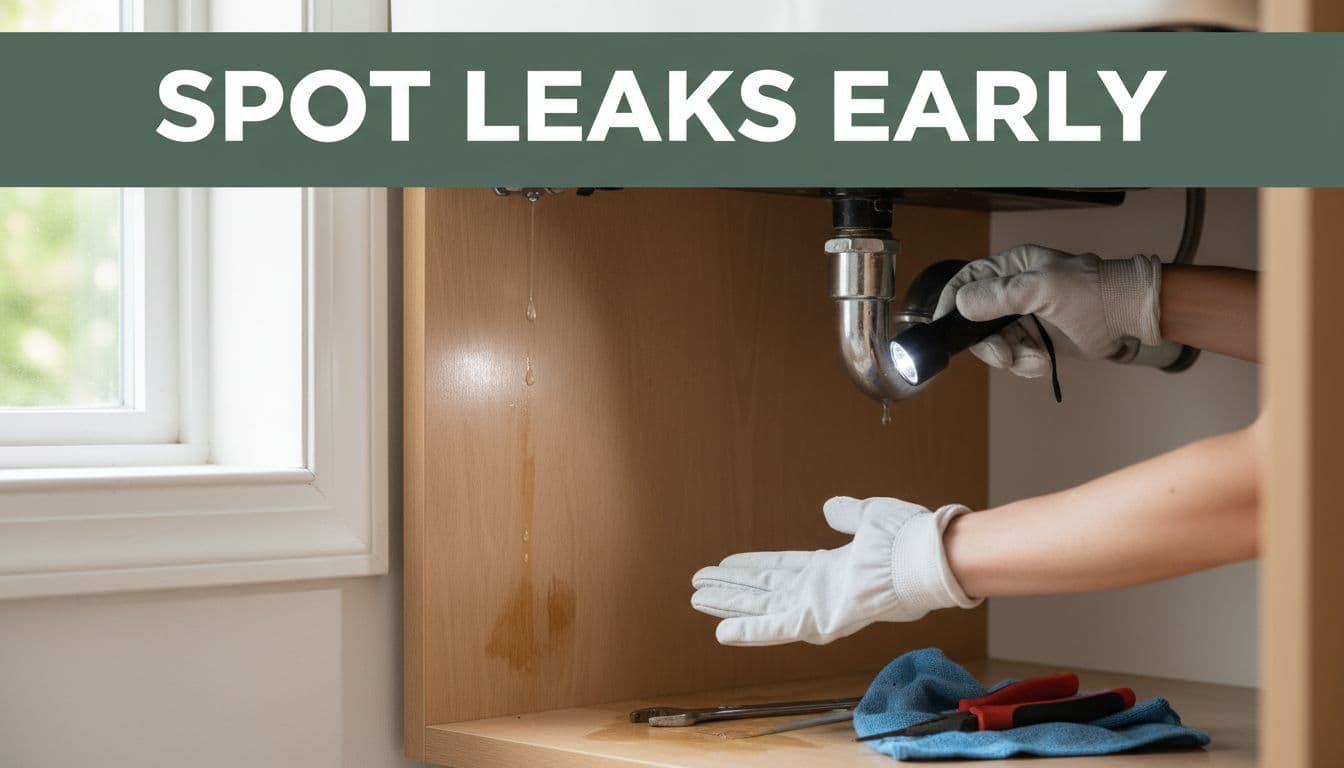
Fix even small drips right away. Check under sinks, around toilet bases, behind washing machines, and near refrigerator water lines. Wipe wet counters, shower ledges, and laundry room floors before water lingers.
Dryer vents, stove vents, and plumbing connections should all work properly. If one fails, moisture builds quietly behind walls and cabinets.
Build a simple mold prevention routine that is easy to keep up
Prevention works best when it becomes routine, not a weekend panic project.
A quick weekly and monthly checklist for a drier home
Use a short plan you can stick with:
- Weekly: check humidity, empty or inspect dehumidifiers, and notice musty smells.
- Monthly: look for leaks, condensation, and damp spots under sinks or near windows.
- Seasonally: clean gutters, test the sump pump, and inspect the roof and grading.
Mold-resistant paint or a whole-house dehumidifier can help, but they’re extras. First, stop the moisture.
Know when a small problem needs professional help
Call a pro if mold covers more than about 10 square feet, keeps returning, or may be inside walls, ceilings, or HVAC equipment. Repeated water intrusion also needs expert attention, because the visible stain is often only part of the story.
A dry house rarely smells musty for long. When you fix leaks fast, dry wet areas within 24 to 48 hours, keep humidity in the safe range, and watch high-risk rooms, you cut off mold’s food supply.
Start with one habit this week, even if it’s only checking the basement or buying a hygrometer. Small moisture checks now can save you from big repairs later.